Pain is both signs and symptom and signal, usually twisted with concern, expectation, culture, and prior experience. Treating it well is a core clinical task, yet criteria differ widely throughout setups. A structured pain administration certification can bring comprehensibility and self-confidence to exercise, specifically for clinicians who want to sharpen evaluation, tighten suggesting practices, and navigate the legal surface without giving up concern. This overview takes a practical consider what strong discomfort management courses supply, how systems like PUAEME008 Provide Discomfort Administration suit, and the ethical and regulative guardrails that shape day‑to‑day decisions.
The value of formal training hurting care
Most medical professionals find out discomfort treatment piecemeal. A preceptor's technique here, a formulary change there. That jumble suffices for routine instances, yet it drops short in the emergency bay, a complex post‑op ward, or a community setup where persistent pain, psychological wellness, and social stress factors clash. A pain administration accreditation fills up those gaps with deliberate technique. It establishes a typical language throughout disciplines, so registered nurses, physiotherapists, paramedics, and doctors function from the exact same playbook pain management training for nurses during the untidy, real‑time tempo of scientific work.
The direct benefits show up rapidly. Assessment comes to be more specific and faster, which indicates earlier alleviation and less repeat doses. Documentation boosts, protecting both the clinician and the patient. Multimodal approaches, when viewed as test ideas, come to be muscular tissue memory. The less evident wins are cultural. Groups begin discussing feature, not just ratings. People really feel believed, which is half the battle in chronic pain facilities and commonly the whole battle for those with injury histories.
Mapping the landscape: from brief programs to full certification
Pain education and learning covers a spectrum. Short training courses hurting administration deal targeted refresher courses that fit a weekend roster. A certificate program in pain monitoring extends further, often throughout a number of weeks or months, with overseen method and proficiency checks. Complete pain administration certification programs bring comprehensive assessment and may line up with nationwide standards or specialty colleges.
The best choice depends upon function and context. A rural nurse that on a regular basis triages after‑hours injuries will likely get from an emergency pain monitoring focus, where quick evaluation, risk-free procedural analgesia, and acceleration procedures are main. A physiotherapist collaborating with post‑operative people requires depth in movement‑based methods, graded direct exposure, and nonpharmacological pain inflection. A paramedic or very first responder in Australia might pursue PUAEME008 Provide Discomfort Monitoring to define laughing gas or methoxyflurane administration in prehospital treatment, together with monitoring and documentation standards.
Strong programs link these strands. They blend pharmacology with functional rehabilitation principles, communication skills with medicolegal literacy, and electronic paperwork with top quality improvement.

What PUAEME008 Give Pain Administration adds
PUAEME008 Supply Discomfort Monitoring is a device extensively utilized in the emergency and prehospital atmosphere. While the learning outcomes differ by training provider, the core focus corresponds: acknowledge discomfort rapidly, offer risk-free first analgesia using accepted representatives, display action, and hand over precisely. It rests well inside a broader discomfort monitoring program, providing medical professionals a concrete toolkit for the initial minutes of care.
Clinically, the system focuses on risk-free signs, contraindications, dosing, surveillance, and adverse effects administration for short‑acting agents that make good sense in the area. Equally important, it trains judgment under stress. If a person's discomfort spikes after preliminary application, do you redose, change classes, or intensify to sophisticated treatment? Those choices hinge on air passage threat, hemodynamics, device of injury, and transport time. Excellent trainers replicate those stress and require tidy documents that will certainly stand in audit or coronial review.
Legally, PUAEME008 reinforces that analgesia is never ever a standalone act. It sits inside obligation of care, scope of method, and regional authorizations. If your company's professional practice standards limit methoxyflurane to adults without kidney problems, the certificate is not a certificate to improvisate. The device shows you to operate inside those boundaries while advocating for prompt rise when pain surpasses your authorized toolkit.
Clinical competencies that matter every shift
A certificate course suffering administration should leave you proficient in four domain names: analysis, pharmacology, nonpharmacological approaches, and interaction. The information vary between pain monitoring programs for nurses and pain monitoring training courses for physio therapists, yet the core stays aligned.
Assessment exceeds score scales. Ratings like NRS or VAS give a picture, yet they miss pain high quality, trajectory, and practical impact. A fast, organized background makes a distinction. Ask what the discomfort quits the individual from doing and what transformed it in the past. Patients interact in the language of feature. A woodworker that can not hold for 5 minutes needs a strategy really various from a computer system developer with periodic pelvic discomfort. In pediatrics, empirical ranges defeat self‑report when language fails, and in older grownups with cognitive impairment, collateral details and habits cues matter greater than the numbers in the chart.
Pharmacology begins with the appropriate medicine for the right discomfort. Not all discomfort is nociceptive. Neuropathic pain rarely accepts basic opioid protocols, so first‑line options often consist of gabapentinoids or tricyclic antidepressants, with topical representatives for focal signs and symptoms. In severe nociceptive discomfort, make use of the ladder carefully, yet do not climb it blindly. Nonsteroidals aid crack discomfort and renal colic, yet they lug renal and bleeding threats. Paracetamol continues to be a foundational agent when utilized correctly and on time. Opioids belong in the toolkit, particularly for serious acute pain, yet dosing ought to be aligned with individual physiology and tempered by clear stop rules.
Nonpharmacological techniques are not garnish. Ice, altitude, and immobilization can cut analgesic need by a third in arm or leg injuries. In procedural setups, nitrous oxide, anesthetic blocks, and distraction can transform the experience. Persistent pain take advantage of graded task, sleep hygiene, and cognitive methods that reduce catastrophizing. Physiotherapists lead here, however registered nurses enhance it at every bedside handover.
Communication may be the best analgesic. Patients do better when they understand what to expect, and teams do far better when handovers specify and short. "Left distal distance fracture, discomfort 8 to 5 with 1 g paracetamol and 400 mg advil, no opioid yet, pain spikes with pronation, splinted, capillary refill under 2 secs, waiting on imaging" offers the incoming clinician a map and assists prevent double dosing.
The legal frame: scope, authority, and accountability
Clinicians want to ease pain, and regulators wish to avoid injury. That tension only ends up being a trouble when training fails to attach both. A pain monitoring certificate worth your time clears up exactly how to deliver thoughtful treatment without drifting outside your license or local rules.
Scope of method rests at the core. You function within your registration, office plans, and professional technique standards. Also when a discomfort monitoring training program instructs sophisticated options, you still require the business authorization to use them. For nurses, standing orders may allow independent management of selected analgesics under established criteria. For paramedics, medication permissions connect to level of technique and territory. For physiotherapists, analgesia typically means nonpharmacological methods, intermediary with prescribers, and adherence to local procedures for modalities like 10s or completely dry needling. Breaching scope, even for a thoughtful factor, threatens both patient safety and security and your legal position.
Consent and documentation protect the patient and the medical professional. In emergencies, indicated authorization applies when the client does not have capacity and delay threats injury. Otherwise, acquire notified consent proportional to the choice. File the discussion, the options discussed, and the plan. Great records ought to be readable, simultaneous, and certain. An usual medicolegal risk is documenting a discomfort rating without noting the reassessment after treatment. Auditors try to find the arc: baseline, treatment, feedback, and plan.
Controlled substances bring additional obligations. Storage space, access logs, wastage recording, and routine settlement maintain teams risk-free. If your duty includes prescribing or administering opioids, you need to know regional scheduling, monitor for cumulative application, and check prescription surveillance systems where available. For persistent opioid treatment, solid programs educate just how to use agreements, routine urine medication screens, and taper strategies without turning the center into a courtroom.
Adverse occasions happen despite perfect technique. Have an acceleration course for oversedation, allergic reactions, and unanticipated degeneration. Debrief, record suitably, and make use of the occasion to tune methods. Regulatory authorities look favorably on teams that learn and adjust.
The framework of robust discomfort monitoring training
Over the years instructing discomfort monitoring training for nurses and mentoring physio therapists new to post‑op wards, I have actually seen the exact same pattern. The best pain administration training programs integrate purposeful method and comments loopholes. Reading protocols assists, but it takes simulation and monitored professional job to make them reliable under pressure.
Expect mixed methods. Brief online components can provide pharmacology and law. Case‑based workshops construct clinical judgment. Simulation deepens team effort for emergency situation discomfort administration circumstances, where seconds matter and duties should be clear. Bedside mentoring installs the practices that stick: prompt reassessment, rise when needed, and calm handovers.
Assessment ought to be greater than a multiple‑choice test. Skills stations, scenario‑based evaluation, and graph audits examination whether a medical professional can apply expertise with actual constraints. A pain monitoring certificate course that signs off expertises without observed practice might be convenient, but it will not move results on the ward.
Good programs also teach deimplementation, which is the art of quiting what does not function. That could mean reducing default opioid quantities on discharge, eliminating replicate PRNs, or retiring outdated discomfort ladders that ignore neuropathic patterns. The certificate is not simply a thumbs-up to do even more. Often it is a red pen that simplifies the graph and shields the patient.
Emergency discomfort management: rate, security, and systems
The emergency zone is ruthless. Individuals remember their worst discomfort in seconds, not hours. Protocolized treatment earns its keep below. Fast triage, early analgesia, and clear review cycles save time and depend on. An individual with a lengthy bone fracture that obtains targeted analgesia within 15 minutes is easier to place for imaging, simpler to splint, and noticeably less likely to call for numerous opioid dosages later.
Agents differ by setting. In prehospital care, inhaled analgesia can acquire time, particularly for patients with tough gain access to or during extrication. Intranasal fentanyl, appropriately dosed and kept track of, offers dependable relief without a cannula. In the emergency division, nerve blocks are underused workhorses. A femoral nerve block for a hip crack reduces sizes of keep and decreases opioid requirements, but only if the department trains and sustains the skill. A great discomfort administration training course shows how to build these pathways, consisting of credentialing, checklists, and post‑procedure monitoring.
The system matters as much as the medication. Supply schedule, resuscitation tools on hand, monitoring periods, and acceleration standards are part of analgesia, not different. On an active shift, a laminated list at the bedside defeats a 50‑page standard in the intranet.
Chronic and complicated pain: function over fixation
Acute discomfort often solves with time and tissue healing. Chronic pain re-wires assumptions and activity patterns. Certification programs that disregard the biopsychosocial version do their students an injustice. Individuals need a plan that blends pacing, purposeful objectives, and gradual direct exposure. Education reframes discomfort as an overprotective alarm instead of a proof of injury. Measurable victories arise from feature: strolling 50 meters farther, enduring a family meal, resting an added hour without interruption.
Clinicians require fluency in tapering conversations. Lots of acquire people over opioid doses with minimal benefit. Safe tapering takes months, not days. It sets dose reductions with enhanced nonpharmacological assistance and straightforward discuss transient discomfort. It also calls for a safety net for mood adjustments and rest disruption. Programs that educate these skills lower issues, enhance client complete satisfaction, and reduced dangers without abandoning anyone to suffer.
What to seek when picking a pain monitoring course
Not every course supplies the exact same worth. Medical professionals should request transparency on discovering results, analysis methods, and trainer experience. Pain monitoring programs led by clinicians who still practice have a tendency to grapple with real restrictions like staffing, formularies, and documentation systems. Try to find local positioning, given that prescribing policies, medicine routines, and practice authority vary.
Interdisciplinary mentor teams radiate. When nurses, physiotherapists, pharmacologists, and physicians educate together, learners internalize partnership. Instance conversations really feel real, because the pharmacist flags communications, the physio therapist reframes objectives, and the registered nurse mentions exactly how to make the strategy deal with a congested shift.
Remote discovering has its place, particularly for country clinicians, yet make certain practical parts are not hollow. Videotaped demonstrations assist, yet you still need hands‑on evaluation for blocks, device usage, or resuscitation‑adjacent skills. If a carrier claims to "give discomfort administration training course" material that certifies you for certain authorizations, request for created confirmation of acknowledgment by companies or regulators.
Documentation that safeguards treatment and enhances it
Documentation is not busywork. Succeeded, it improves treatment in genuine time. The most effective pain administration accreditation course will drill an easy framework: baseline assessment with discomfort type and function, clear reasoning for selected therapy, timing and dose, response at a defined interval, and the following action if alleviation continues to be insufficient. That pattern protects against drift. It likewise makes change handovers limited and defensible.
Electronic records can assist or hinder. Smart sets that nudge multimodal orders enhance care. Templates that hide reassessment fields welcome missed out on opportunities. Clinicians can advocate for better process with small, deliberate changes. For instance, if the pain rating area prompts once again at thirty minutes after a PRN opioid, review ends up being the standard instead of the exception.
Common risks and how to prevent them
Newly educated clinicians frequently try to fix whatever with the tools they just learned. Suffering care, restriction is as essential as action. Overtreating procedural pain that settles with positioning cause sedation without advantage. Alternatively, undertreating serious discomfort while waiting on imaging can aggravate results and raise frustration or delirium. The judgement lies in context and review.
Another trap is disregarding differential diagnosis when the pain pattern adjustments. A person on postoperative day 2 with new chest or calf bone pain needs workup, not just analgesia. Certificates need to show warnings alongside alleviation. The goal is not the most affordable discomfort score in all prices, however the most safe path to recuperation and function.
Finally, do not underestimate culture. If an unit sees pain review as paperwork rather than care, also the most effective educated clinician will battle. Champions assist. A couple of individuals modeling limited technique can change standards within weeks, specifically when the information show less callbacks, fewer overnight escalations, and happier patients.
How training varies by self-control and setting
Pain monitoring training for registered nurses focuses on triage, risk-free administration, and escalation. Registered nurses carry the rhythm of review, and their documents creates the backbone of medicolegal protection. They additionally rest closest to the client's story, that makes their campaigning for main to individualized plans.
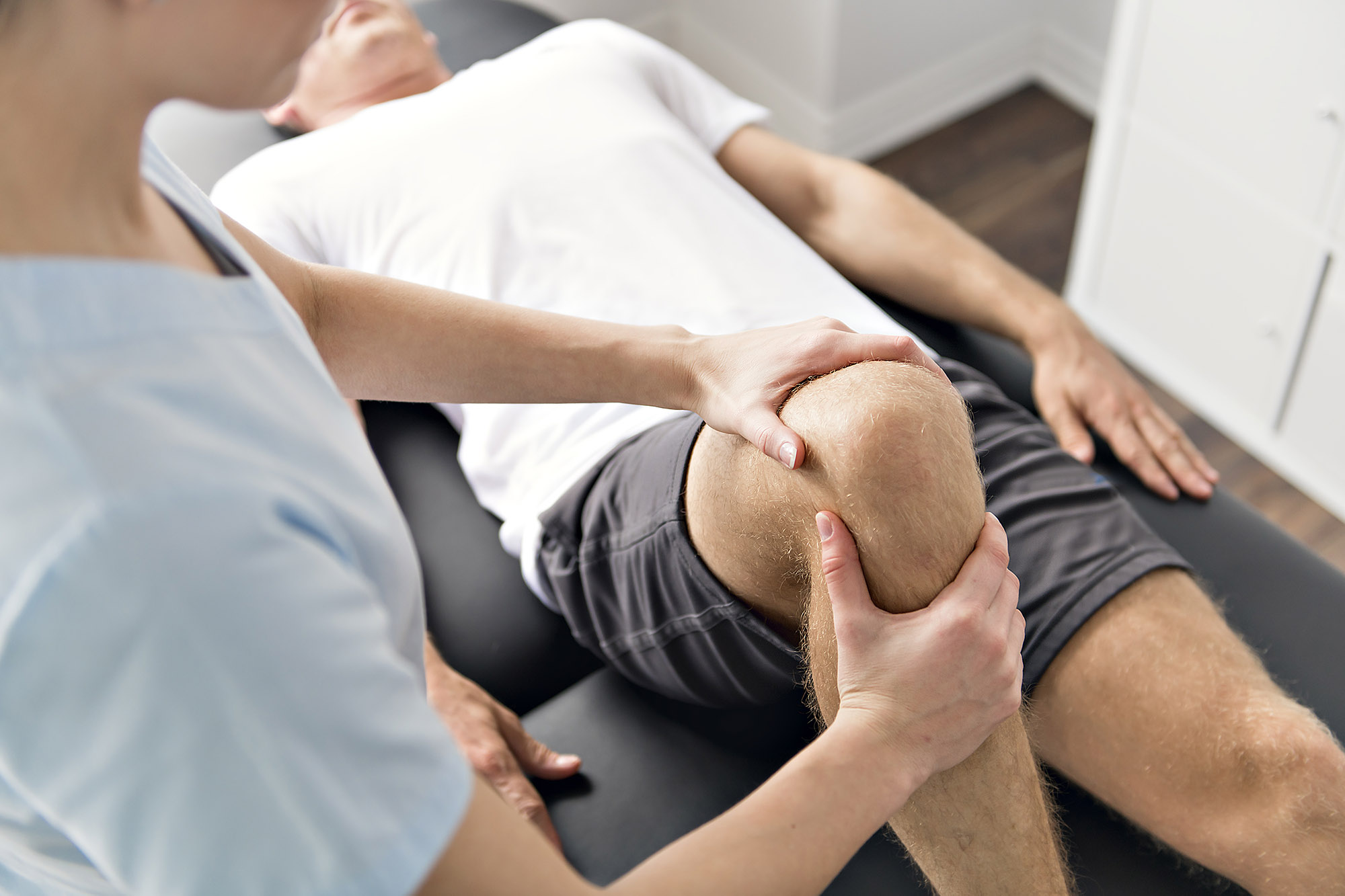
Pain administration courses for physiotherapists stress graded movement, desensitization, tons management, and the language of confidence. They browse worry evasion and align exercise with analgesic windows. When they collaborate with prescribers, the timing of analgesia can transform outcomes. Doing the hardest workouts when the analgesic is coming to a head prevails sense that often obtains lost without coordination.
Paramedics and very first responders using PUAEME008 offer pain monitoring discover to provide quickly, secure relief in difficult atmospheres. They build behaviors around scene security, airway caution, pain management training to provide care and exact handovers that anchor downstream care. Their notes regarding device and immediate feedback commonly guide ED choices greater than laboratory results do.
Prescribers dive deeper into drug selection, kidney and hepatic dosing, and deprescribing approaches. Pharmacists, whether teaching or consulting, catch interactions and support multimodal planning. When the group functions as a whole, each function enhances the others.
Building a resilient technique after certification
The certification is a beginning line, not the finish. Clinicians need to anchor their discovering in three habits: deliberate testimonial, information responses, and peer discussion. Choose a reoccuring time, probably monthly, to examine 2 or 3 graphes with intricate discomfort programs. Seek delays, missed out on reviews, or preventable rises. Step something simple, like time to first analgesia in triage or percent of post‑opioid reassessments documented within 45 minutes. After that share results, not to blame, yet to learn.
Mentorship increases development. A junior clinician that can speak via a hard situation with a senior coworker will prevent several risks. Short debriefs after major cases assist the entire group. What worked, what missed out on, what to transform. The tempo matters more than the length.
Finally, preserve humility. Discomfort treatment is messy since individuals are varied. Two individuals with the very same crack can react differently for reasons you can not see. A stiff formula will stop working. A thoughtful framework, strong abilities, and clear documents will not.
A focused checklist for selecting a reputable program
- Clear mapping to your scope and neighborhood consents, including any kind of recognition of PUAEME008 Provide Pain Monitoring if appropriate to your role Demonstrated professors experience, ideally multidisciplinary and currently practicing Practical evaluation past quizzes, with observed skills and scenario‑based evaluation Integration of lawful and ethical content, including documents criteria and dangerous drug regulations Support for application, such as templates, lists, or audit devices you can take back to your workplace
The payback: more secure care, far better end results, less disputes
A robust discomfort administration certification does greater than include a line to a CURRICULUM VITAE. It shortens the range in between a patient requesting help and a medical professional delivering alleviation. It brings technique to disorderly settings and language to intricate consultations. It lowers medicolegal danger by aligning activities with extent and videotaping them well. It likewise recovers a feeling of objective. Few things really feel better on a shift than seeing a person that showed up light and supporting their arm lastly unwind their shoulders and breathe.
For organizations, the return displays in much shorter stays for routine injuries, less unplanned returns, and fewer grievances concerning unmanaged pain. For medical professionals, self-confidence grows, and the side between empathy and burnout softens. That balance is the real certificate, the one that matters after the class lights switch off.
If your method touches pain most days, whether in triage, rehab, the rescue bay, or a country clinic, the time invested in a structured pain management training course will certainly repay quickly. Select a program that values scientific facts, educates abilities you can utilize tomorrow, and deals with legal considerations as part of thoughtful treatment, not barriers to it.